 Navi Mumbai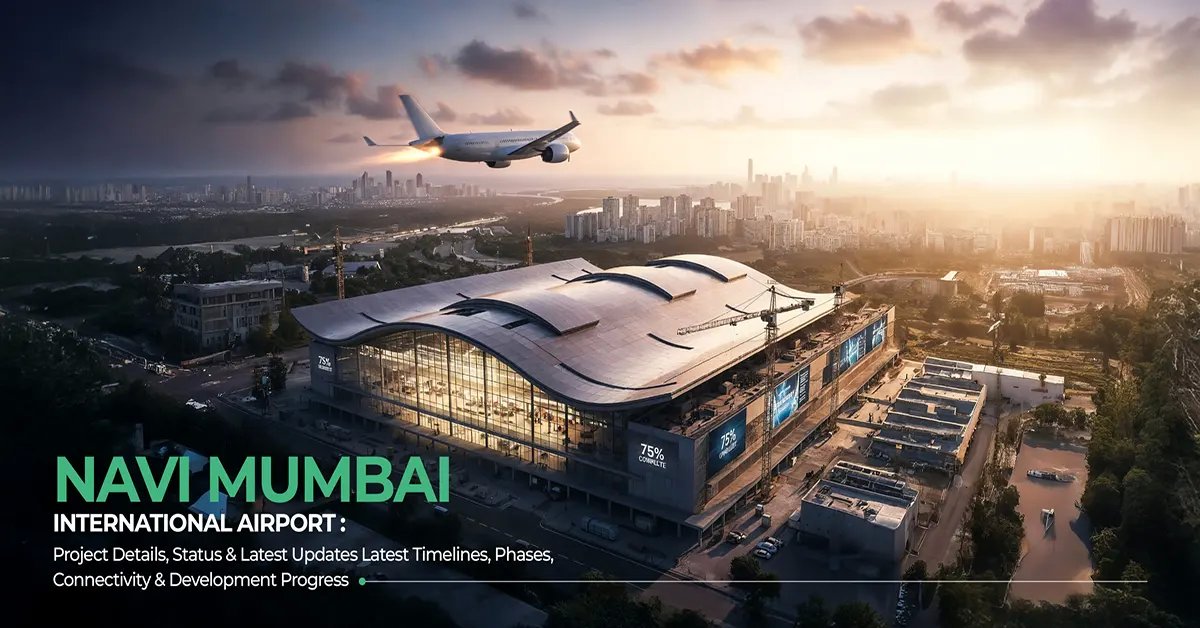
Impact of Navi Mumbai International Airport (NMIA) on Property Prices
Introduction
The Navi Mumbai International Airport (NMIA) is not just another infrastructure project — it is one of the most powerful real estate value drivers in the Mumbai Metropolitan Region (MMR).
As we move through 2026, the airport is already reshaping property demand, pricing trends, and investment behavior across Navi Mumbai micro-markets like Ulwe, Panvel, Kharghar, and Dronagiri.
But the key question investors are asking is:
👉 How exactly does NMIA impact property prices, and is the growth already priced in?
Let’s break it down.
✈️ 1. Why NMIA Is a Game-Changer for Real Estate
The Navi Mumbai International Airport is expected to:
- Handle tens of millions of passengers annually
- Reduce pressure on Mumbai’s existing airport
- Create a new global aviation hub in Navi Mumbai
- Trigger large-scale commercial and residential development
📈 According to real estate analysts, airport-led infrastructure typically becomes a multi-year property appreciation engine for surrounding regions.
👉 Related reading:
Is Ulwe a Good Investment in 2026? Full Guide
📍 2. Direct Impact Zones Around NMIA
The biggest price impact is concentrated within a 10–15 km radius of the airport site.
Key beneficiary locations:
- Ulwe (closest residential node)
- Panvel (major growth hub)
- Kharghar (established township market)
- Dronagiri (emerging affordable zone)
- Pushpak Nagar (CIDCO-planned smart zone)
These areas are already witnessing:
- Rising buyer interest
- Increased developer activity
- Faster absorption of new launches
👉 Related reading:
Panvel vs Ulwe: Which Benefits More from Airport Growth?
📈 3. How NMIA Affects Property Prices
🟢 Phase 1: Pre-Operational Growth (Now – 2026)
- Speculative + infrastructure-driven demand
- Moderate but steady price appreciation
- Entry of institutional developers
🟡 Phase 2: Operational Impact (Post launch)
- Sharp rise in residential demand
- Strong rental market growth
- Commercial development acceleration
🔴 Phase 3: Maturity Cycle (5–10 years)
- Price stabilization at higher base
- Full township ecosystem development
- Strong end-user dominance
👉 NMIA has already started triggering price movement expectations even before full maturity.
🏗️ 4. Infrastructure Multiplier Effect
NMIA is not working alone — it is part of a larger infrastructure ecosystem:
- Atal Setu (MTHL) connecting Mumbai
- Metro expansion corridors
- Highway & coastal road upgrades
- Planned Aerocity development zones
📊 This creates a compounding effect on real estate prices, not just linear growth.
👉 Related reading:
Ulwe Connectivity Guide – Roads, Rail & Airport Access
💰 5. Expected Property Price Growth Near NMIA
Based on current infrastructure cycles and market data:
Conservative scenario:
- 8%–12% annual appreciation
Moderate scenario:
- 12%–18% annual appreciation
High-growth pockets (near airport influence zone):
- 20%+ appreciation phases post operational stability
👉 Historical trend shows airport regions consistently outperform surrounding micro-markets over long cycles.
🏡 6. Why Ulwe & Panvel Are Key Winners
Ulwe:
- Closest residential node to airport
- Strong early-stage appreciation cycle
- High investor interest
Panvel:
- Large township development
- Better social infrastructure
- Long-term stable growth
👉 Related reading:
Ulwe vs Panvel – Investment Comparison 2026
⚠️ 7. Reality Check for Investors
While NMIA is a strong growth driver, investors should understand:
- Price growth is not uniform across all sectors
- Some areas may lag due to infrastructure gaps
- Short-term speculation already exists in certain pockets
- Real appreciation depends on location + timing + project quality
👉 Smart buying is more important than just buying near the airport.
📊 8. Long-Term Real Estate Impact
NMIA is expected to:
- Transform Navi Mumbai into a second Mumbai business hub
- Increase demand for rental housing
- Attract global and domestic investment
- Create new employment clusters (logistics, aviation, hospitality)
📈 Industry projections suggest long-term GDP contribution and sustained regional development impact.
🎯 Final Verdict
👉 NMIA is not just influencing property prices — it is redefining them.
- Short-term: Stable + speculative growth
- Mid-term: Strong appreciation cycle
- Long-term: Structural price re-rating of Navi Mumbai
✔ Conclusion: The biggest price movement cycle is still unfolding, not completed.
🔥 Get Best Airport-Area Investment Projects
Looking for verified properties near NMIA?
- Airport proximity projects
- High appreciation zones
- Pre-launch opportunities
👉 Enquire Now for Ulwe Projects
🔥 Book Site Visit
👉 Visit top projects near Ulwe & Panvel airport zone
❓ FAQ (SEO Schema Ready)
Q1. How will Navi Mumbai Airport affect property prices?
It will increase demand and trigger long-term appreciation in nearby residential and commercial zones.
Q2. Which areas benefit most from NMIA?
Ulwe, Panvel, Kharghar, Dronagiri, and Pushpak Nagar are the biggest beneficiaries.
Q3. Will prices rise after NMIA becomes operational?
Yes, historically airport operational phases lead to stronger demand and higher property values.
Q4. Is it too late to invest near NMIA?
No, the full appreciation cycle is still in progress, especially in early-growth zones.
Q5. What is the biggest risk near NMIA investment?
Overpaying in already inflated micro-locations or choosing poorly connected sectors.