 Navi Mumbai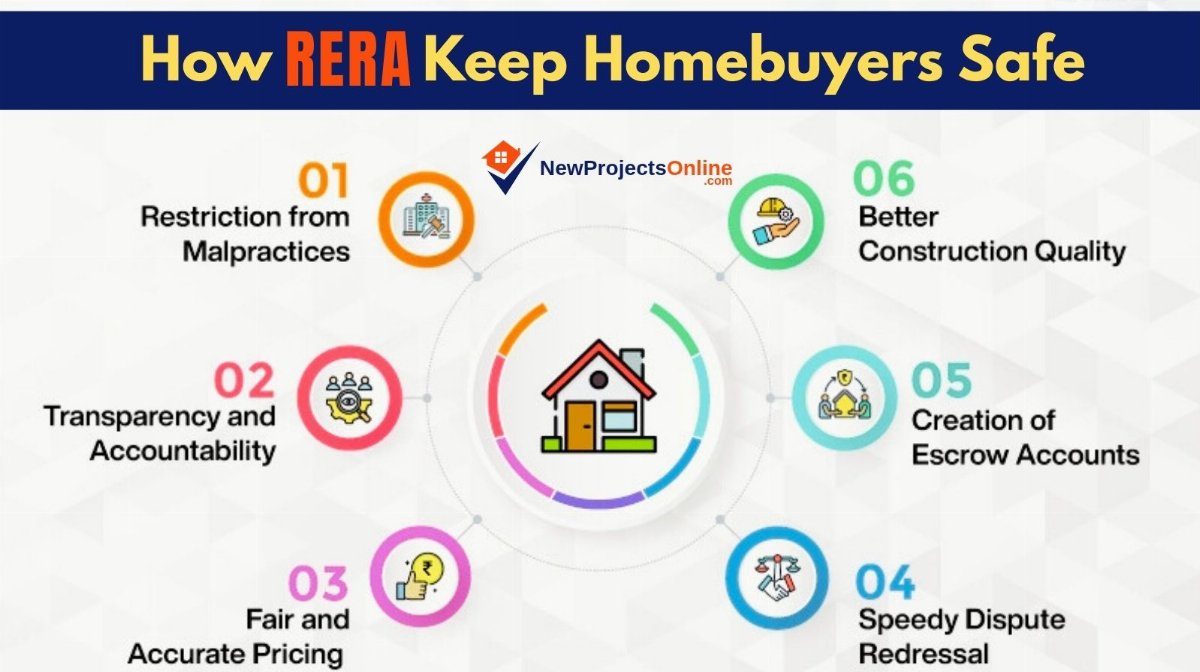
Understanding RERA: A Homebuyer’s Guide
Buying a home is one of the biggest investments in life. With rising property prices and frequent real estate scams, purchasing property can be stressful. That’s where RERA in India comes in!
Tip: Always verify RERA registration before making any property investment to ensure safety and transparency.
The Real Estate (Regulation and Development) Act, 2016 (RERA) protects homebuyers, ensures transparency, and makes property investment in India safer. This homebuyers guide will help you understand RERA, project registration, developer accountability, and complaint redressal.
What is RERA?
RERA in India stands for Real Estate (Regulation and Development) Act, 2016. It regulates the real estate sector and protects homebuyers.
Key objectives of RERA:
- ✅ Ensure transparency in property transactions
- ✅ Protect homebuyers in India from fraudulent developers
- ✅ Guarantee timely possession of property
- ✅ Establish a regulatory authority for dispute resolution
Why RERA Matters for Homebuyers
Before RERA, buyers faced project delays, hidden charges, and unclear approvals. RERA ensures:
- Mandatory Project Registration:
All residential and commercial projects above 500 sq. m. must register with the State RERA portal. - Transparency in Project Details:
Developers disclose layouts, approvals, and timelines—helping homebuyers invest safely in property in India. - Advance Payment Protection:
Developers cannot demand more than 10% of the property cost before signing agreements. - Timely Possession & Compensation:
Delays trigger penalties or interest payments, protecting homebuyers’ rights. - Standardized Sale Agreements:
RERA ensures fair contracts without hidden clauses.
Callout: Remember, a project not registered under RERA may put your investment at risk!
Key Features of RERA
1. Project Registration
- All projects must register with the State RERA authority.
- Registration includes layout, approvals, and completion timelines.
2. Developer Accountability
- Accurate project details and regular updates
- No fund diversion
3. Protection of Buyer Funds
- 70% of project funds deposited in an escrow account
- Ensures property investment in India is safe
4. Complaint Redressal Mechanism
Homebuyers can file complaints for:
- Delayed possession
- Misrepresentation or fraud
- Defective construction
5. Mandatory Disclosures
- Approved layouts and government approvals
- Project timelines
- Ownership & land title
How Homebuyers Can Benefit from RERA
- Check RERA Registration:
Verify projects on the State RERA portal. - Review Legal Documents:
Confirm approvals, land title, and sale agreement compliance. - Track Project Progress:
RERA requires developers to provide regular updates. - Seek Legal Recourse:
Use the RERA complaint redressal system for delays or issues.
Tip: Always save copies of all documents and RERA filings for future reference.
Common Myths About RERA
- Myth: RERA protects developers more than buyers
Fact: It safeguards homebuyers’ interests - Myth: RERA is optional for small projects
Fact: Most residential & commercial projects must comply - Myth: Buyers cannot get compensation for delays
Fact: Delayed possession triggers legal compensation
Tip: Don’t rely on verbal promises from developers—RERA ensures written accountability.
Steps to Check a Project on RERA Portal
- Visit your State RERA website
- Enter the Project Registration Number
- Verify:
- Project approval status
- Developer details
- Progress updates
- Cross-check documents with RERA filings
Callout: Only invest in projects with verified RERA registration numbers.
Conclusion: Why Every Homebuyer Should Know RERA
RERA in India has transformed property buying. By understanding RERA, homebuyers can:
- Avoid fraudulent developers
- Ensure timely possession
- Protect hard-earned money
- Make informed property investment decisions
Final Tip: Knowledge is power! Check RERA registration, review legal documents, and share this guide with friends and family planning to buy a home.
If you found this guide helpful, share it and help others make safe property investments in India!