 Navi Mumbai
Navigating the Indian Real Estate Ecosystem: A 2025 Guide to Contractors, Builders, and Developers
The Indian real estate sector is a dynamic engine of growth, projected to reach a market size of $1 trillion by 2030. For anyone looking to build, invest, or simply understand this complex landscape, knowing the key players is essential. While often used interchangeably, the roles of Contractor, Builder, and Developer are distinct, each forming a critical link in the chain that transforms an idea into a tangible structure.

As we move through 2025, fueled by tech integration and stringent regulations like RERA, the collaboration between these entities has become more streamlined and transparent than ever. This article demystifies their unique responsibilities, expertise, and how they converge to shape India's skylines.
1. The Contractor: The Master of Execution
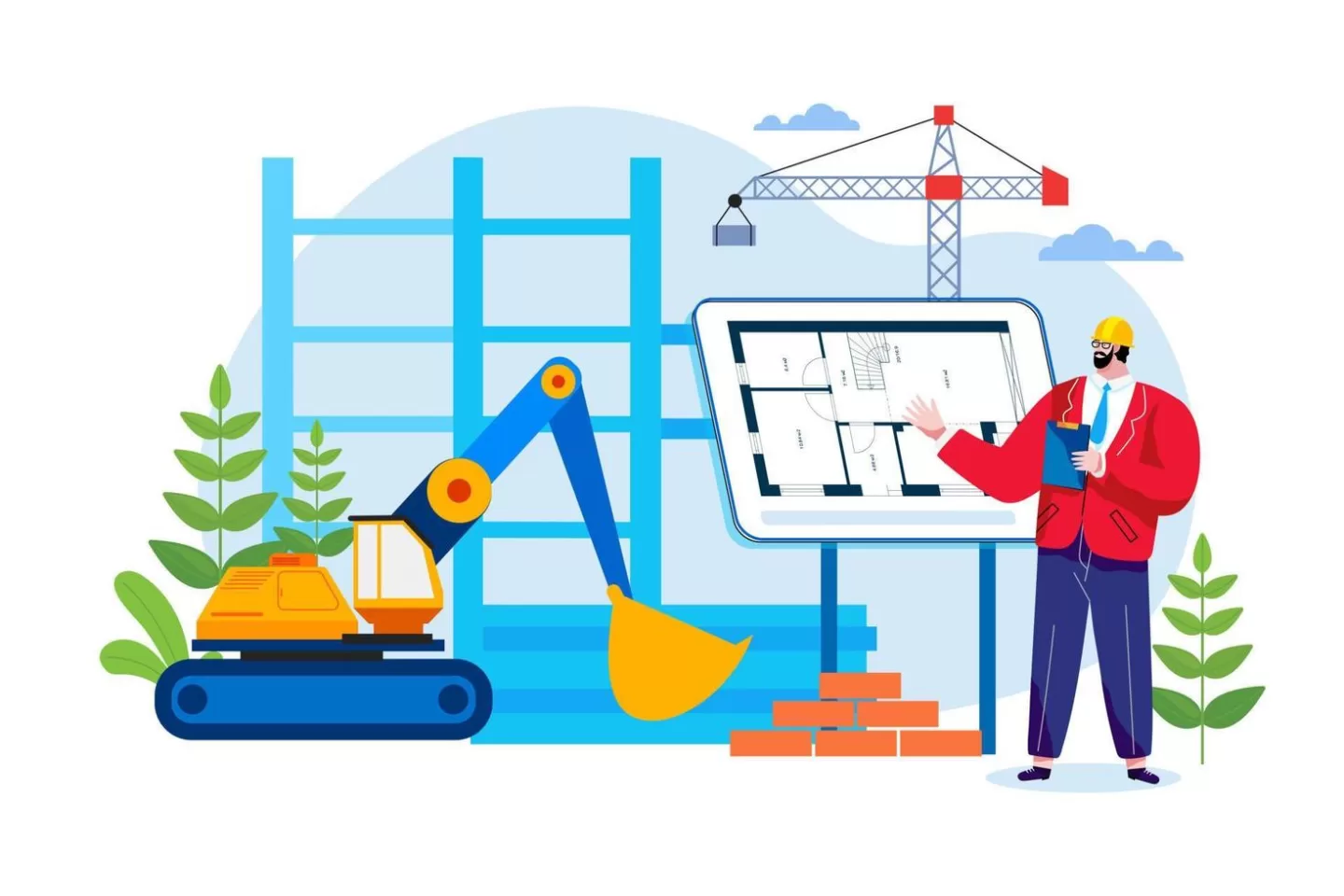
A contractor is the on-ground force responsible for turning architectural blueprints into reality. They are the tactical experts hired to manage the physical construction, labour, and materials on a day-to-day basis.
Key Responsibilities in 2025:
- Site Mobilization & Management: Preparing the land, setting up site infrastructure, and ensuring day-to-day operations run smoothly.
- Construction Execution: Overseeing all structural work—from the foundation and plinth to slabs, walls, and roofing.
- Specialist Coordination: Managing a team of subcontractors for specialized trades like electrical, plumbing, HVAC, and interior fit-outs.
- Quality & Timeline Adherence: Ensuring construction meets specified quality standards and adheres to the project schedule.
Types of Contractors:
- General Contractor (GC): The project lead for construction, responsible for the entire build and coordinating all subcontractors.
- Subcontractor: A specialist hired by the GC for a specific task (e.g., a dedicated electrical or landscaping subcontractor).
Integrated Design-Build Contractor: A growing trend where a single firm offers both design and construction services, streamlining the process.

2. The Builder: The Construction Orchestrator
A builder operates at a strategic level above the contractor. They are typically the entity that takes on the responsibility of constructing a project on a plot of land, which they may or may not own. Their focus is on delivering a completed, compliant building.
Key Responsibilities in 2025:
- Project Oversight: Managing the entire construction process, from planning and budgeting to final handover.
- Regulatory Compliance: Ensuring the project adheres to all local municipal bylaws, building codes, and, crucially, RERA regulations.
- Procurement & Supply Chain: Sourcing and managing the supply of construction materials, often leveraging technology for efficiency.
- Quality Assurance: Supervising the contractor's work to ensure the final product matches the promised quality and specifications.
The Builder's Niche:
Builders often specialize in specific verticals:
- Residential (Apartments, Villas)
- Commercial (Office Spaces, Retail)
- Industrial (Warehouses, Factories)
Sustainable/Green Building specialists.
3. The Developer: The Visionary and Financier
The developer is the true visionary and the primary risk-taker. They conceive the project, secure the land, arrange the capital, and see it through from ideation to completion and sales. In 2025, developers are not just creating buildings but curating lifestyles and communities.
Key Responsibilities in 2025:
- Land Acquisition & Feasibility Studies: Identifying and purchasing land based on market research and future growth potential.
- Conceptualization & Vision: Defining the project's theme, amenities, and target audience.
- Financial Structuring: Securing funding through loans, investors, or partnerships—a critical role in today's high-interest environment.
- Legal & Regulatory Approvals: Obtaining all necessary permits from local authorities and ensuring RERA registration before any marketing begins.
- Sales & Marketing: Overseeing the branding, marketing, and sale of the properties.
The Developer's Landscape:
Top-tier developers like DLF, Godrej Properties, and Macrotech (Lodha) often have in-house construction arms, blurring the lines between developer and builder. However, their core function remains ideation and financial management.
Comparative Analysis: A 2025 Perspective
| Aspect | Contractor | Builder | Developer |
|---|---|---|---|
| Primary Focus | Execution of construction as per given plans. | Orchestration of the construction process and compliance. | Vision & Finance; end-to-end project creation. |
| Project Stage | Mid to End-stage (Construction Phase). | Early to End-stage (From planning to handover). | Start to Finish (Ideation to after-sales). |
| Expertise | Construction techniques, labour management, on-site safety. | Project management, regulatory knowledge, quality control. | Market analysis, financial management, risk assessment, marketing. |
| Financial Role | Works within a contracted budget; provides cost estimates. | Manages construction budget and material procurement. | Secures primary funding, manages overall project profitability. |
| RERA Liability | Not directly liable under RERA. | Liable for project delays and quality as per RERA mandates. | Primarily liable for all promises made to homebuyers. |
The Indispensable Role of RERA in 2025
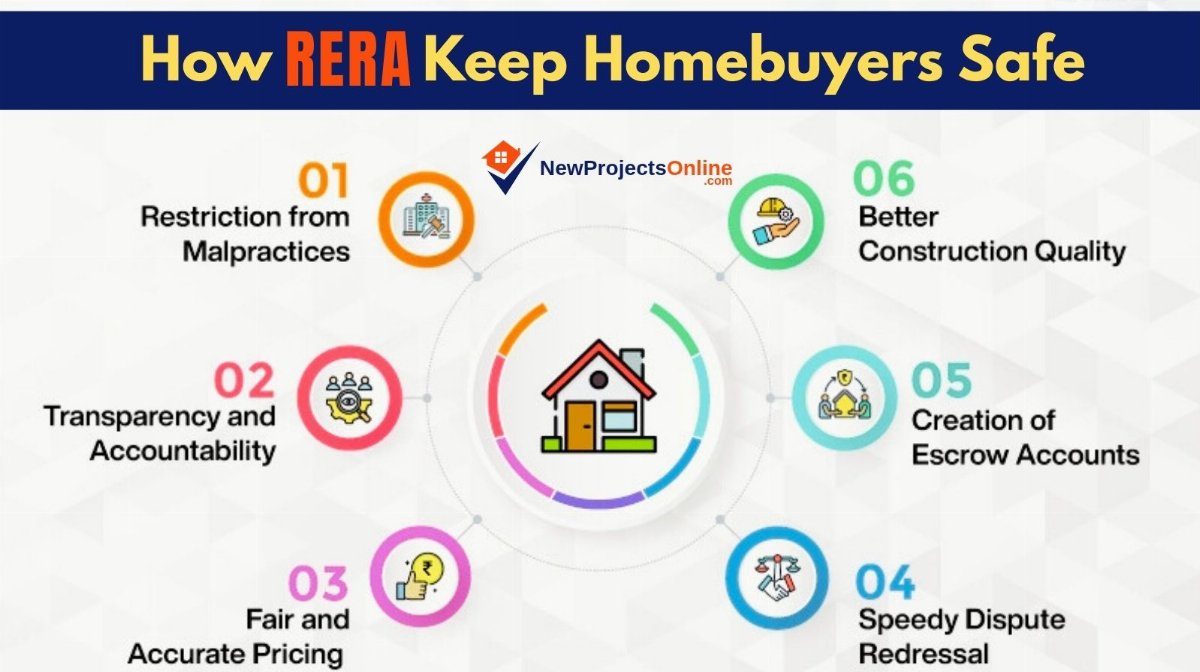
The Real Estate (Regulation and Development) Act, 2016 remains the cornerstone of consumer protection in Indian real estate. Its full implementation across states has significantly increased transparency.
- Mandatory Registration: Every commercial and residential project (with few exceptions) must be registered with the state's RERA authority.
- Escrow Account Mandate: Today, 100% of the buyer's funds must be deposited in a separate escrow account, ensuring money is used only for that project's construction.
- Builder/Developer Accountability: RERA holds builders and developers accountable for project delays, defects, and adherence to sanctioned plans. Contractors are not directly regulated by RERA.
- Grievance Redressal: RERA authorities provide a swift and powerful platform for homebuyers to resolve disputes.
For any investment, always verify the project's RERA registration number on the official state portal.

Conclusion: A Symphony of Specialization
The Indian real estate sector thrives on the specialized contributions of contractors, builders, and developers. The contractor brings the blueprint to life, the builder ensures it is built correctly and legally, and the developer imagines the project and makes it financially viable.
Understanding these distinctions empowers you to make informed decisions, whether you are an investor, a prospective homeowner, or an industry enthusiast. As we advance, the integration of proptech, sustainable practices, and robust regulations will further define and refine these roles.
Disclaimer: This article is for informational purposes only. The specific roles and contractual responsibilities can vary based on project agreements. Always conduct due diligence before entering into any real estate transaction.
About newprojectsonline.com
As we step into the future of Indian real estate, newprojectsonline.com remains your trusted digital partner. We are a leading channel partner and marketing network, committed to providing accurate, verified, and up-to-date information on real estate projects across major Indian cities, including Mumbai, Navi Mumbai, Thane, Pune, Bangalore, Delhi-NCR, and Hyderabad. Our curated portfolio helps you navigate the market with confidence.